
Tariffs
Tariffs, also known as taxes on imported goods, are a tool used by President Donald Trump as part of his overall economic vision. As U.S. agriculture navigates tariffs and their implications on trade, commodity prices, input costs and more, ag economists and farmers remain divided on the effectiveness of tariffs and what the changes mean for the broader economy and livelihoods.

Craig Turner, grain and oilseed analyst with StoneX says its the last trading day of the month and corn, soybeans and wheat are all poised to have bearish monthly lower closes.

Kevin Duling, KD Investors, says corn is trying to bounce Wednesday off of new contract lows scored in old crop futures and wheat is also trying to recover after new lows on Tuesday.
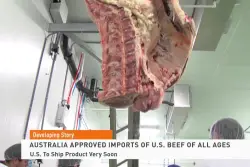
The Trump administration announces trade breakthroughs giving U.S. beef producers greater access to Australia, Japan and South Korea.

After months of negotiations, the two countries struck a deal to lower the so-called “reciprocal tariffs” from a proposed 25% to 15%, and said increased rice shipments from the U.S. to Japan are part of the deal.

As soybean exports face increasing uncertainty, the United Soybean Board says it’s focused on drumming up more domestic demand.

Randy Martinson, Martinson Ag, says corn tried to move higher early Thursday but the December contract is running into chart resistance with the 20-day moving average at $4.25. Can weather help the market get above this level?

The details revealed “some tariff price pressures may be appearing in the economy.”

Vince Boddicker, Farmers Trading Company, says corn is extending gains for a third day still seeing short covering. However, the corn and soybeans markets are adding some weather premium with extended forecasts looking hotter in the 11-15 day time period.

Chip Nellinger, Blue Reef Agri-Marketing says corn was able to build on Monday’s key reversals and close higher for a second day. However, without a weather problem what is the likelihood the market can sustain a rally?

Kent Beadle, Paradigm Futures, says corn and soybeans are seeing some pressure from weather and Monday’s strong crop ratings. Cattle recover with their discount to cash.