EPA is rolling out new guidance for manufacturers of farm equipment and other heavy-duty vehicles, removing regulatory red tape requiring diesel-powered farm equipment to reduce engine torque dramatically when a problem arises with the machine’s Diesel Exhaust Fluid (DEF) system.
You can read EPA’s statement on the announcement here.
The new rule making goes into effect immediately for all new diesel engines on model year 2027 machines. It should also be noted the new guidance from EPA is voluntary for all non road equipment. Ultimately, each manufacturer will have the right to choose whether it implements the new inducement strategy or maintains the status quo with its own machines.
To fix the problem for farm machinery already in the field, EPA’s new guidance, developed in collaboration with farm equipment manufacturers, will work to ensure necessary software changes can be made on the existing fleet.

EPA administrator Lee Zeldin says now all non-road equipment, like farm tractors, combines and sprayers, must be configured so there is no impact on engine power for up to 36 hours when a DEF system malfunction occurs. Once 36 engine hours have passed, a 25% reduction in engine torque will go into effect until the machine is serviced. If the farm equipment is not fixed within 100 engine hours, then a 50% reduction in torque is activated until the machine can be serviced.
Additionally, farm equipment can be restarted with full engine power three times for up to 30 minutes after inducement, according to the EPA release.
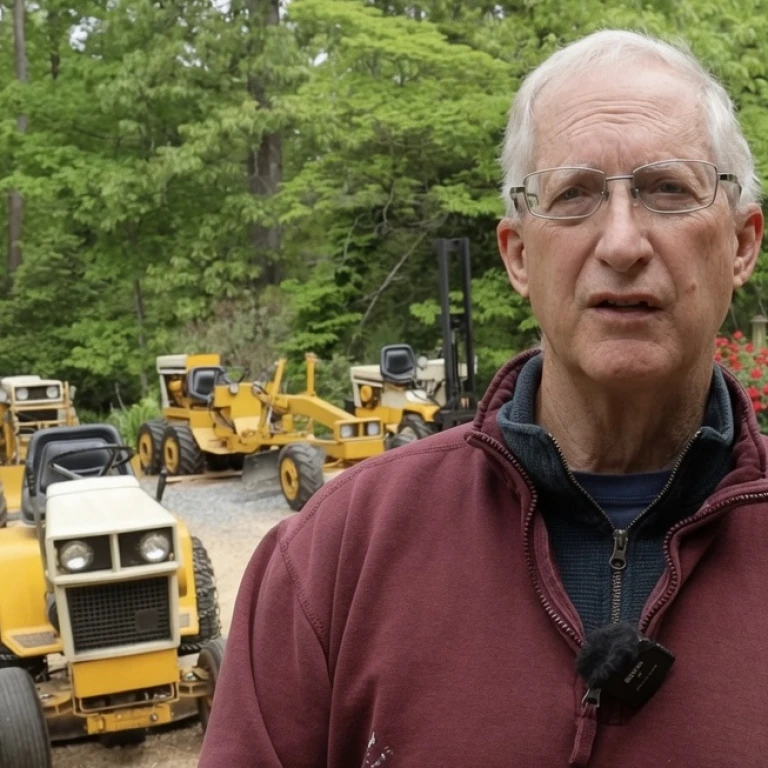
“This is the first crack in the ice toward saying we don’t need these expensive systems on our farm equipment,” says Ben Reinsche, owner, Blue Diamond Farming Company in Jesup, Iowa. “We don’t need to immediately shut off an engine or be restricted for 36 hours if you have DEF unavailable or a malfunction.
“This is a positive step and maybe a formative step toward saying that having these emission standards on farm or off-road equipment is not critically necessary,” adds Reinsche. “There are so many other things farmers can do that are planet positive, like using conservation and sustainability practices, rather than having an after treatment system on our diesel engines.”
Small Business Administration (SBA) leader Kelly Loeffler says the new rule will save 1.8 million family farms across America a staggering $727 million per year while offering “vital financial and operational certainty.”
“This announcement today is such a big deal, especially on behalf of our farmers and ranchers,” says USDA secretary Brook Rollins. “At a time when our ag sector is really hurting, our farmers have had to endure a 30% cost increase in inputs, and a $30 billion Biden-era trade deficit, these everyday regulations being lifted makes such a difference.”
The new guidance greatly reduces a machine setting known as DEF derating and allows operators more time to secure DEF, refuel and make repairs. The new guidance also reportedly retains the environmental benefits of Tier 4 engine and DEF regulations for farm equipment and trucks.
“Today we are taking another important step forward by undoing these diesel fluid guidelines that have hurt our farmers and small rural businesses,” says U.S. Senator Joni Ernst (R-Iowa). “Not only will these new guidelines save family-run farms hundreds of millions of dollars per year, but it is also just common sense, folks. No farmer should have their tractor come to a halt in the middle of a field due to Green New Deal-style regulations from Washington.”
How Did We Get Here?
EPA ushered in DEF requirements for large farm equipment when it enacted broader Tier 4 emissions standards in 2004.
Tier 4 Interim rules, which required DEF for farm machines 750 horsepower and up, then went into effect in 2008.
In 2015, EPA’s final Tier 4 regulations were put in place, meaning all new non-road diesel engines — regardless of horsepower rating — had to comply with new emissions standards.
Curious where your farm equipment is made? Check out Farm Journal’s “Who Makes What Where” feature to learn more.
Why Do Many Farmers Hate Using Diesel Exhaust Fluid (DEF)?
American farmers say they detest using DEF due to the challenges and additional fuel cost it tacks onto their operations.
Here are some reasons farmers aren’t big fans of DEF:
- Higher Costs and More Maintenance: DEF adds on extra materials costs for machinery-based field work. Farmers must purchase large amounts of fluid, and the Selective Catalytic Reduction (SCR) framework that processes DEF is prone to malfunctions and expensive to repair. Often a simple-but-unexpected repair can pop up out of nowhere and end up costing farmers thousands of dollars and leave equipment inoperable.
- Field Work Interruptions: If a tractor runs out of DEF or if the system breaks down, under the now-defunct previous guidelines engine power was greatly reduced, which is known by many farmers as “going into limp mode.” For farmers who rely on their equipment to operate consistently and reliably during planting and harvesting, any issue quickly becomes a major headache.
- Storage Issues: DEF has a limited shelf life and is sensitive to temperature ups and downs. A quick Google search says DEF freezes at around 12°F and can degrade if stored in temperatures above 86°F. And who wants to look at a giant pallet of DEF cartons stacked in their machinery barn? Nobody, that’s who.
- Contamination/Quality Control: DEF fluid must be pure and free of contaminants. Accidentally using the wrong type or getting foreign substances in the tank during refilling can wreak havoc throughout the system, leading to repairs and downtime.
- Engine Performance Concerns: There are farmers who believe newer emissions systems, including those that use DEF, reduce the machine’s total power output and lower fuel efficiency.