Faced with a perfect storm of struggling commodity prices and skyrocketing diesel costs, farmers are pulling back on new iron. Data shows a double-digit slide in tractor and combine sales. Farm tractor sales year to date from May 2025 to May 2026 are down 12.4%, from 80,839 to 70,779, according to the Association of Equipment Manufacturers (AEM).
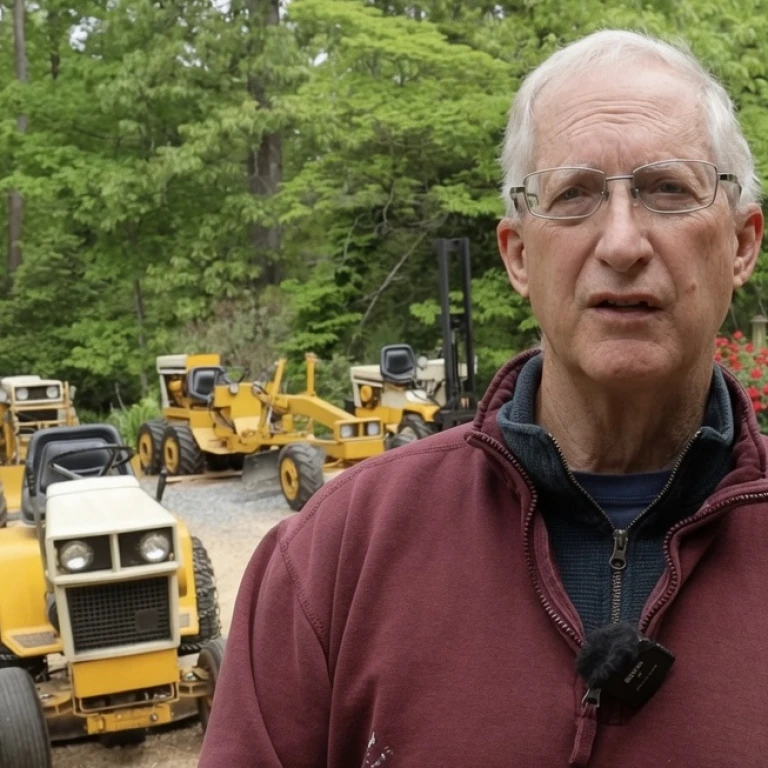
“I think the major factor that’s reflecting in the new equipment sales is the overall ag economy. We certainly know that farmers are under a lot of pressure right now with commodity prices being depressed,” says Curt Blades, senior vice president at AEM.
Why Farmers Are Delaying New Equipment Purchases
With continued rising input costs for fuel, seed and fertilizer, new equipment is not at the forefront of farmers’ priorities, Blades says. According to the American Farm Bureau Federation, in April farm diesel prices had increased 46% since the end of February. Meanwhile, nearly six out of every 10 farmers are reporting worsening finances.
The May Ag Economists Monthly Monitor found seven of the 17 ag economists who responded to the Farm Journal survey say many farms may need major restructuring to survive due to:
- Higher interest rates remain a major concern, with economists expecting reduced capital investment and greater financial stress for highly leveraged producers.
- Input costs, exports, land values, water availability and farm loan demand are among the top indicators economists are monitoring.
“There are other priorities when it comes to planting the crop before farmers think about looking at buying equipment,” says Casey Seymour, vice president of machinery for Farm Journal.
Combine Purchases Take a Back Seat
Blades says there are multiple reasons farmers aren’t investing in new combines. Typically combines are in the seven-figure range, meaning “the bigger the investment, the bigger the consideration of purchase,” he says.
Farmers have added new combines to their fleet in the past few years, agree Blades and Seymour, which explains a drop in purchases the past year.
Comparing the first five months of the year, in 2025 combine sales hit 1,248. In 2026, that number totaled 1,066, a 14.6% decline. To put the drop in perspective, in 2023 from January to May, combine sales reached 2,565.
“A lot of these guys have made some pretty good purchases during the last three or four years, so they’re in a pretty good spot technologically wise,” Seymour says.
While new equipment sales are down, Machinery Pete shares through May 7, the number of equipment auctions in 2026 is up 19.5%. Pete’s Pick showcases how auction prices are elevated:
- 2017 New Holland TS6140 with 447 hours sold for $81,000, the highest auction price for this model with a loader.
- 2010 Case IH Magnum 245 with 4,052 hours sold for $120,000 in March, the highest price ever recorded for that specific model and hours.
- 2024 John Deere S770 with 657 hours sold for $351,000 in Mississippi.
Why Upgrading Farm Equipment May Pay Off Long-Term
Dealers and buyers are currently in a demand- and technology-driven market, Blades explains. For example, current engines are 20% more efficient than previous generations. While farmers might be more skeptical about buying newer equipment, Blades argues it might be better in the long run.
“There are cost savings that can be gained with adding precision agriculture, and sometimes you need a new machine to be able to really have that precision agriculture live up to its full potential,” Blades shares.