
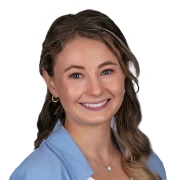

Dalton Farms is proof that growth is not always measured in acres, cattle numbers or gross sales. For Edward and Rebecca Dalton, growth has come through rebuilding after loss, rethinking what success should look like and building a farm business that gives their family more of the one thing they value most: time.
Near Wakeman, Ohio, the seventh-generation operation spans 2,000 acres of corn, wheat, soybeans and spelt. The Daltons also run a feeder-to-finish cattle enterprise, raising Holstein steers from about 300 pounds to finish and marketing that beef directly to consumers through The Meat Barn, the on-farm store Rebecca leads.
For their success in building a diversified, family-centered business rooted in production agriculture and local food, Edward and Rebecca were named finalists for the 2026 Top Producer of the Year award, sponsored by BASF and Fendt.
But the story of Dalton Farms goes beyond expansion. It traces how the family navigated hardship, unexpected responsibility and personal tragedy while growing a business that fits their values and their future.
History of Resilience
Growing up, Edward watched his family navigate a challenging chapter after a farm split between his grandfather, father and uncle in the 1990s. The financial strain forced difficult decisions, many of which he didn’t fully understand as a child. Years later, one moment still captures what those sacrifices looked like.
“I specifically remember as a young boy having to sell our camper so we could buy a stock trailer for the farm,” Edward says. “It was a hard time, but looking back, it played an important role in my development as a farmer, husband and father.”
Those years gave him a firsthand understanding of the sacrifice and determination needed to make a family operation succeed. At the time, however, farming wasn’t necessarily where he saw himself. After trying several off-farm jobs, he realized the operation he once viewed as an obligation had become his calling.
After graduating from college, Edward returned home to farm alongside his father, Hal. Together they farmed 1,500 acres and raised 150 head of Holstein steers, with plans for a gradual transition.
Instead, the timeline they had envisioned together changed in an instant.
In 2012, Edward’s father suffered a massive heart attack while working on the farm. Shortly after starting their life together, Edward and Rebecca found themselves taking on full responsibility for the operation much sooner than they expected.
“Although my father did an excellent job of training me for the role, his death left us in a messy situation,” Edward says.
Taking over the farm earlier than planned forced Edward and Rebecca to learn leadership in real time. Suddenly, they weren’t just helping with decisions — they were responsible for making them. The knew staying the same was not an option, but they also knew they could not build the next chapter alone.

Guidance Through Growth
As they grew into those leadership roles, Edward and Rebecca began surrounding themselves with people who could challenge their thinking and help them see the farm as both a family legacy and a business. Carrie Schlechter, the farm’s lender with AgCredit, became one of those trusted voices, serving as a financial resource, sounding board and steady source of encouragement during seasons of difficult decisions.
“She helped us navigate financial decisions and provided a listening ear to talk things out,” Rebecca says. “She has always been supportive and encouraged our growth.”
One of those conversations with Schlechter led the pair to attend their first Top Producer Summit in 2019. There, they met Ron Rabou, an influential mentor and fellow farmer who stepped in at a time when Edward admits he was questioning the very future of the business.
“I was really struggling with working so hard every year for little profit,” Edward recalls. “That passion I once had seemed to have diminished.”
Conversations with Rabou challenged the Datlon’s to think differently about what success looked like, inspiring them to build a business that worked for their family instead of simply working harder.
“Their operation is truly one of the most impressive I have ever seen,” Rabou says. “Their lives do not revolve around getting more, but rather in becoming more. Each step they have taken and continue to take revolves around improvement, education and value”.
Through Rabou’s guidance, Edward and Rebecca regained the confidence to move forward intentionally. His perspective challenged them to think differently about the future of their operation and what success could look like for their family.
“Ron sparked our renewed passion for farming,” Edward says. “He inspired us.”

Family-Centered Decisions
Just one month after returning home from Top Producer Summit, tragedy struck again. Rebecca’s 29-year-old brother passed away after battling a rare cancer. Only forty days later, cancer also took Edward’s 41-year-old sister’s life.
The devastating, back-to-back losses forced the couple to once again reevaluate every aspect of their lives, including the farm.
“Ultimately, we knew our siblings would want us to keep going for our goals,” Rebecca says. “Going through those experiences opened our eyes to how short life can be and how important it is to make the most of the time we have.”
This perspective changed how they defined success. When Edward first took over the operation, his primary goal was to become a successful grain farmer by farming as many acres as possible.
“Today, my focus is on family and the next generation,” he says. “Time and dirt are the two things they aren’t making any more of, and both are precious to me.”
This philosophy was put to the test last spring. For several years, the farm operated both conventional and organic grain production. While organic farming strengthened the business financially and challenged them as crop managers, it also brought the heavy burden of running two entirely separate systems.
With a new outlook on what mattered most, the family decided to transition those organic acres back to commercial grain production.
“Organic production ended up being a huge success for our farm, which made the decision to ‘quit’ organic farming even harder,” Edward notes.
He admits making the decision to go 100% conventional initially felt like a failure. But he’s since reframed it as entering a different chapter for the farm.
“We just couldn’t dedicate the time anymore” Rebecca says. “We were losing too much with our kids and with life experience—time we just couldn’t get back. We chose the time with our family over being in the field.”

Building a Beef Brand
This same family-first focus has transformed their livestock division into a powerhouse direct-to-consumer brand. Today, Dalton Farms raises approximately 450 head each year and markets every animal directly to consumers.
Edward is quick to credit Rebecca as the person who saw the opportunity, listened to customers and turned a small freezer beef effort into a trusted brand. For eight years, she balanced full-time nursing, the farm and their growing family. But as their family grew, she began recognizing both a need in the community and a way to build a larger role for herself on the farm.
“When we had our twin boys, I realized I wanted to be home more and be more involved in the farm,” Rebecca explains. “I still loved nursing, but I felt pulled toward being home with our family and taking on a larger role in the operation.”
Rebecca began by sharing the family’s farming story through social media and giving customers a closer look at how their food was raised. She answered questions, built relationships and paid attention to what people were asking for.
“Because of social media, we started selling more freezer beef in halves and quarters. Then that transitioned into smaller bundles because not everyone wanted to buy in bulk,” Rebecca says. “As our customer base grew, people started looking to us for more than just beef, so we began offering pork, chicken and other products.”

The Meat Barn Opens New Doors
By 2020, demand had completely outgrown the chest freezers they were operating out of an old barn. The family decided to take a leap and opened The Meat Barn—an innovative on-farm retail store uniquely built inside a converted grain bin, complete with a ceiling made from corn.
“It just kept growing and snowballing, and people kept telling people,” Rebecca recalls. “Then COVID hit, which helped even more. People were looking for local food sources they could trust, and we already had those relationships built, so demand really took off.”
Today, The Meat Barn business is a thriving local food hub. Alongside Dalton Farms beef, customers can purchase pork, chicken, maple syrup, honey, kettle corn and products sourced from about 30 to 40 local farmers and vendors. Their home-raised beef is also distributed through 15 local gas stations and grocery stores, and demand for traditional halves and quarters has created a four-month waitlist.
“Rebecca is the reason our cattle operation has grown to what it is now,” Edward says. “She has successfully created a full-time business by promoting our farm, connecting with customers and creating a brand people trust. I couldn’t be more proud of her.”
Looking to the Future
Looking back, Edward and Rebecca can see how far Dalton Farms has come — from a farm recovering after a difficult family split, to a young couple unexpectedly taking over after the loss of Edward’s father, to a diversified business built around crops, cattle, local food and customer trust. None of that progress came easily, but each hard season left them with a lesson they still carry.
“I wish I had valued my time more when I was younger,” Edward reflects. “If I could give my younger self one piece of advice, it would be to protect your time because you don’t get it back. That’s what we’re trying to do today.”
The future of Dalton Farms is being built with the next generation in mind, while leaving room for each of their three young sons to choose their own path. Whether the boys pursue row crops, cattle, The Meat Barn or something entirely different, Edward and Rebecca want to provide the opportunities and flexibility to support those choices.
“You can have as many acres as you want, but if you don’t have your family at the end of it, what was any of it worth?” Edward asks. “We have seen firsthand what can happen when the farm is viewed as more important than the family that runs it. Family is first.”
That belief now guides the decisions made across Dalton Farms. Previous generations made sacrifices to build the foundation the farm stands on today, and Edward and Rebecca are carrying that legacy forward by creating opportunities for the next generation.




