
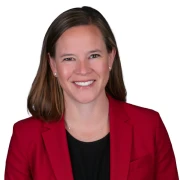

In a special AgriTalk interview with Chip Flory, Sec. Brooke Rollins of USDA acknowledges harvest is underway for many row crop farmers and says she and her team are aware of the financial hardships faced by many agricultural sectors as they look to find profitable markets for their crops.
“I’ve had conversations with lawmakers on the hill, counterparts in the white house and across the cabinet. We are putting together option from A to Z, so when the President decides it’s time, we can step in,” she says.
Pointing to $13 billion in ECAP scheduled to be deployed over the next few months, Rollins says any future payments will have to “make sure”:
- “We are being good stewards of taxpayer dollars.”
- “Not distorting the markets”
- “We’ve got the backs of these great farmers.”
Market-supplied opportunities
Rollins says trade deals are a focus for the Trump administration, adding soybeans are “very much top of my mind right now.” Referring to the announcement from Friday morning of $10 billion in ag products over the next four years to Taiwan, Rollins says this is a ‘game-changer’ of a deal and includes soybeans, corn, wheat and beef. She says the trade opportunities will not be fully developed and explored overnight, but “we’re making good progress.”
Specific to China, which had been the major customer of U.S. corn, soybeans, cotton, sorghum, beef and tree nuts, Rollins says while the current talks may have focused on Tik Tok, she has had conversations with colleagues who were in those rooms and who understand what is at stake for U.S. ag producers, notably soybean farmers.
“I have full faith in the President, and he’s very aware of the necessity of our top buyers in our row crops are continuing to buy, especially as we move into harvest. And there should be good news very soon,” she says. “We have the world’s top deal maker and negotiator in our President, that everything he does at every turn and every corner he’s hyperfocused on getting the deal. We are in a different scenario than we were. China began investing in Brazil. China began moving away from US supplies. Times are different today. What’s important today is making sure our guys get their crops out into the market and out into the world market.”
If not China, then where?
As she just returned from the trade mission and Presidential visit to the United Kingdom, Rollins uses the recent trade deal with the United Kingdom as a template for future deals. She says she and her team are engaged at a deeper level than ever before to bring together buyers for U.S. ag products.
“Take ethanol and pork in the UK, we brought buyers and sellers together, created levels of expectations, and pushed to get deals done,” she says. “Our second largest importer of U.S. ethanol is the UK, and by next year, they’ll be buying all of their ethanol from America.”
She says in the coming weeks, on a planned trip to Japan, a focus will be to do the same for rice. Mexico and Vietnam are other trade partners they’ll engage with soon.
Flory’s full interview with Sec. Rollins is available below. Please note there are some issues with audio quality.



