


Market Commentary for 8/9/24
This weekend is the 4th anniversary of the derecho that swept through the corn belt, hitting Iowa and Illinois with the worst thunderstorm in US history. That same week the low for the marketing year was hit, and was the turning point from the bear market into a bullish one for several years.
Every summer since, market participants have been anticipating another derecho that will spark a rally similar to late 2020. However, I think that the 2020 derecho’s impact on the market was a little overblown.
How Much Was Really Lost During the Storm?
It was widely reported that at least 1 million corn acres were lost or damaged during the storm. If the 1 million acres averaged 200 bushels per acre, that would equate to just under a 10% drop in the expected carryout at the time.
When comparing price reactions and carryout, usually a 1-billion-bushel carryout leads to corn rationing and $8 per bushel prices. A 2-billion-bushel carryout suggests ample supply and frequently leads to sub $4 corn prices.
This suggests a 200-million-bushel reduction from the storm would likely mean an approximate 80-cent rally, if all other things are equal. And that’s what happened. Corn rallied from $3.20 to $4.00 as harvest progressed, because the carryout estimate eventually dropped from 2.2 billion before the storm to 2 billion after harvest.
Don’t Forget About South America’s Production Issues
While the US lost some bushels to the storm, both Brazil and Argentina also experienced dry weather the following January to March. Combined, they produced 750 million fewer bushels of corn than the previous year. This put more demand on for US corn and increased prices. Year over year exports were up around 1 billion bushels for the marketing year 20/21.
China’s Imports Changed Everything in Late 2020 And Into 2021
Between September 2020 and August 2021, China purchased 350% more corn than they had bought the year before. Since 1972, China had never purchased more than 320 million bushels (or 8 million metric tons) in a marketing year. However, as this chart shows, between September 2020 and August 2021 China bought 28 million metric tons of corn, or 1.12 billion bushels.
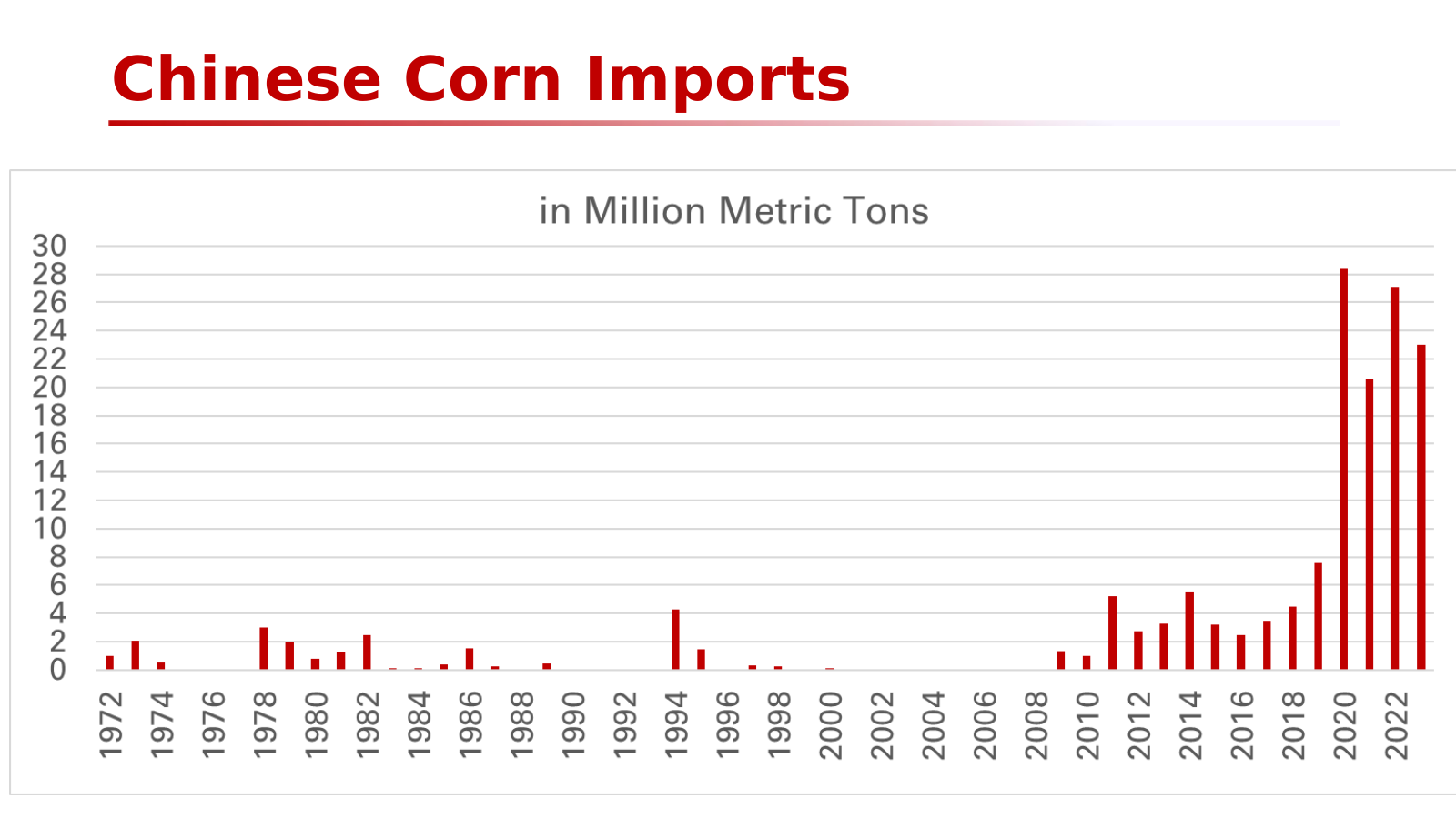
That is more corn than China purchased in the prior 7 years combined. Even in the 38 years between 1972 to 2010, China didn’t buy 1 billion bushels in total. This increased buying from China sparked corn to rally even higher, and arguably influenced corn’s rally much more than the derecho damage.
All the Bins Were Destroyed in the Storm, Which Proved the USDA Was Wrong About The 2019 Crop
For years, everyone keeps repeating that the destroyed bins found empty throughout Iowa after the derecho proved the USDA was wrong about the 2019 crop size. Logistically though, this argument doesn’t make sense.
The storm was in the middle of August, or one month before harvest would start in Iowa and Illinois. That means only 1/12th of the crop should still have been stored in bins. If one looks back at pictures, there are a lot of destroyed bins that were empty, but there were also some bins still standing that may have had corn in them. For instance, if an elevator had 8 bins and 7 were lost, perhaps the last one remaining intact because it still had corn. This could mean the USDA wasn’t off as some may think.
Also, the remaining stored corn supply wouldn’t be distributed evenly throughout the US. Northern states harvest 2-4 weeks later than central Iowa where the derecho hit. Therefore, more corn would likely be stored in Minnesota and the Dakotas versus Iowa at that time. Plus, the market usually incentivizes commercial elevators to be empty by harvest so there is plenty of room to store the new crop.
Also, it is likely that at least half of the 1/12th of remaining 2019 corn was stored by farmers throughout the entire cornbelt, not just where the derecho hit.
What Could Cause a Price Rally To $5.00 Today?
If the average national yield falls below 179, the price could rally to between $4.30 and $4.50. However, current USDA estimates suggest Monday’s report will likely show a yield above 182.
China hasn’t been buying grain as aggressively as they did four years ago. If they surprised the market and went on a purchasing spree again, prices would go higher. The good news is that that they don’t have to buy US corn, they could buy it from South America or even Ukraine. No matter where they would buy corn, it forces the rest of the world to buy US corn.
Also, if the report on Monday shows fewer acres planted in the US due to an increase in prevent plant, then that could slow the markets decent. Plus, an early frost could damage some of the late planted crops, and depending on how widespread it is, this could impact prices.
Political upheaval and wars are potential wildcards too and can move the market in either direction as well.
Bottomline
There were multiple shocks to the market that had never happened before that contributed to the 2020 price increases. Surprises by definition are just that, so it is extremely hard to plan for them. It’s easy to forget that on August 9, 2020, market participants were preparing for corn prices to fall below $3. But then unexpectedly, the market rallied to $8 over the next year.
Four years later, some market participants still think the market will rally back to $5. While that could happen, the surprise this time might be that there are no surprises. Or maybe the surprise could be that prices fall further into the $3’s.
Want to read more by Jon Scheve?
Are The Lows In Yet? Be Careful Of Echo Chambers
Are The Lows In Yet For Corn?
Why Having Risk Management Strategies In Place Is So Important
Is Corn Done Going Down?
Corn Will Probably Struggle To Rally Moving Forward



