
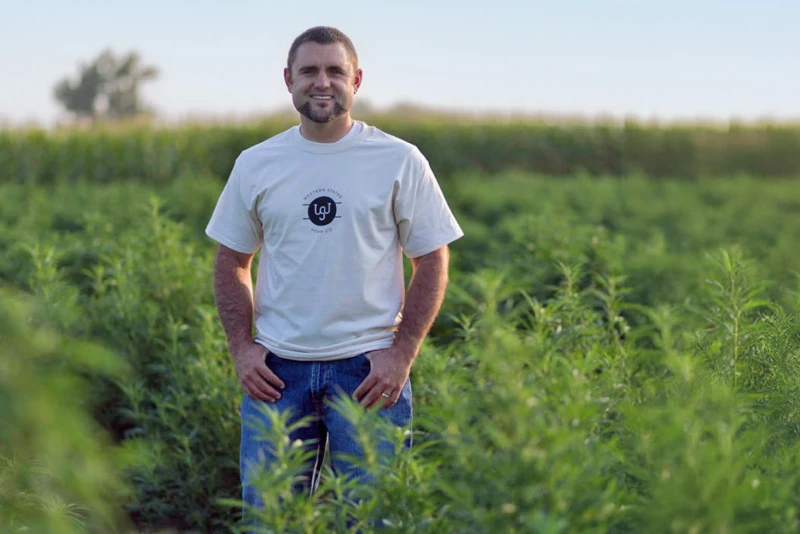
When Joe Frey first considered switching to regenerative farming, he was driven by a simple, yet profound, observation: a tree splitting a rock in the wild. This remarkable sight sparked an idea—what if farming could harness such natural resilience and strength? Frey tested no-till practices against traditional tilling and found that not only did this approach save money, but it also added $30 per acre due to improved soil health. This revelation was just the beginning of a transformative journey.
Shifting Focus: Yield Versus Net Return Per Acre
Many farmers, like Frey, initially focus on yield, believing that higher yields directly correlate with higher profits. However, Frey soon realized net return per acre (NRA) provided a more accurate measure of profitability. Shifting his focus to NRA allowed Frey to see the true financial benefits of his efforts, emphasizing long-term sustainability over short-term gains.
Innovation Over Tradition
Frey faced a critical question: should he continue with the farming practices that had been handed down, or was it time to innovate? Inspired by his business partner Adrienne, who always advocated for natural and sustainable choices, Frey decided to break away from tradition. Adrienne’s research and strategic thinking played a crucial role in their decision to transition to regenerative farming, helping them navigate challenges and seize new opportunities.
Reducing Insurance Dependency
One of the most striking benefits Frey discovered was the potential savings from reduced insurance premiums. By improving soil health and adopting regenerative practices, Frey minimized the impacts of drought, heavy rains, wind and hail without relying heavily on insurance, tile drains or overhead irrigation. This approach not only saved money but also highlighted how agricultural insurance subsidies, could be better allocated to areas of farming in greater need.
Investing in Soil Health
Frey’s journey into regenerative farming underscored the importance of investing in soil health. By focusing on the long-term health of his soil, he reduced his dependence on chemical inputs and mechanical interventions. Healthier soil led to more resilient crops, better water infiltration and reduced pest populations. The immediate benefits included easier field preparation, larger harvest window and increased overall field resilience.

Strategic Profit Improvement
Despite initial skepticism, Frey found that adopting regenerative practices significantly improved his profitability. Corn profits, for instance, improved by about 10% per year for the first several years. This increase in profitability came from the significantly lower input costs, reduced reliance on subsidies and a more resilient farming system.
Customer Relationships and Gradual Transition
Maintaining customer relationships has been a challenge that has required a lot of adaptation along the way. Customers who are used to monocrops, certain harvest time frames, harvest techniques and crop rotations have had trouble adjusting their operations to accommodate the new style of farming. Over the years, some have faded off into the sunset, some have changed slightly and others have embraced the transition wholeheartedly. Frey and Adrienne now find themselves searching for new markets altogether as they continue to integrate livestock and increase plant diversity more.
Health Benefits and Environmental Impact
The move to regenerative farming also had profound health and environmental benefits. Frey noticed a decrease in inflammation among livestock and a reduction in pest populations. Healthier soil, with increased organic matter, could store more water and withstand extreme weather conditions better. Frey’s fields, with no tillage and ground cover, proved much more resilient during droughts and floods, showcasing the environmental advantages of regenerative practices.
Moreover, regenerative farming enhanced the nutritional value of produce. Frey highlighted that modern produce requires multiple servings to match the nutrition of a single serving from 50 years ago. This improvement in food quality could have significant public health benefits, potentially reducing healthcare costs associated with poor nutrition.
Addressing Common Objections
Skeptics often argue regenerative farming is not feasible on a large scale or that it involves higher risks and costs. However, Frey’s experience, along with examples from large-scale farmers such as Rick Clark and the Kahle Family, disproves these concerns. Regenerative practices can be successfully implemented on large farms, offering financial stability and lower risks due to reduced input costs and increased profitability per acre.
The Bigger Picture: Long-term Resilience and Reduced Risks
In the broader context, regenerative farming offers a way to build long-term resilience and reduce risks. Healthier soil can absorb more rainwater, reducing flood risks and increase drought resilience. The approach provides financial stability by focusing on long-term profitability rather than short-term yields. It also positions farmers to better handle the uncertainties of climate change and market fluctuations.
Conclusion
Frey’s journey into regenerative farming illustrates a path to increased profitability, environmental sustainability and improved public health. By strategically investing in soil health and adopting more innovative practices, farmers like Frey are able to achieve long-term financial gains while also contributing positively to their communities and ecosystems. This shift from traditional methods to regenerative practices represents not only also a change in farming techniques but a paradigm shift toward a more sustainable and profitable future in agriculture.
No one knows better than you that the future of your farm depends on balancing practices and profits that sustain your land, resources and family. The stakes are evolving based on weather patterns, technology, market demand and more. What actions are you taking to remain resilient?




