

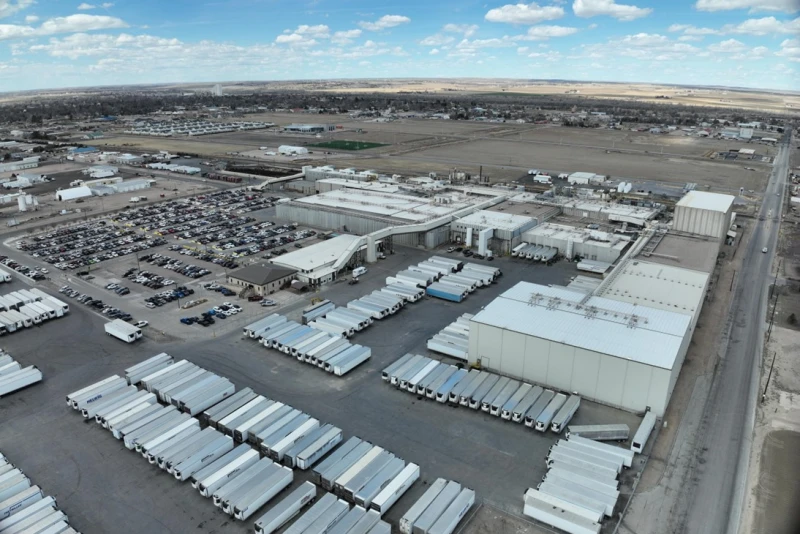
A spokesperson for Cargill confirms the company initiated a lockout on May 20, 2026, at its Fort Morgan, Colo., beef facility following months of bargaining and an employee vote against the latest contract offer.
The Fort Morgan plant has not been harvesting since April 23 due to these ongoing labor negotiations with Teamsters Local 455 and the concern of a potential work stoppage. Beef processing involves live animals and highly coordinate operations. Cargill explains a sudden stoppage during production could create risks related to food safety, animals welfare and could result in extensive food waste.
“This was a difficult decision and not the outcome we wanted,” the Cargill spokesperson says. “The lockout was initiated because continued uncertainty around a potential work stoppage creates challenges for operating safely, responsibly and reliably. We respect employees’ right to vote and remain committed to reaching a ratified agreement with the union.”
Cargill reports the halt in processing in Fort Morgan is not impacting its weekly harvest numbers, just shifting production to other plants. At full capacity, Fort Morgan harvests 4,700 per day; prior to the halt it was averaging 4,000 head.
“We believe our proposal is fair and competitive, representing an estimated $33.4 million investment over five years,” the spokesperson stresses. “While negotiations continue, our focus remains on maintaining safety, managing operations responsibly and using Cargill’s broader supply chain network to continue serving customers. Under our current plans, we do not expect material impacts to producers or customers.”
Breaking Down Cargill’s Offer
Cargill’s proposal included additional economic value for employees, including bonuses and a five-year agreement designed to provide stability and predictable wage increases.
Like other beef operations, Fort Morgan is operating in a challenging economic environment, with costs currently exceeding returns. “That context does not change our respect for employees or our commitment to bargaining in good faith, but it underscores the importance of reaching an agreement that is sustainable for employees and the facility over the long term,” the company says on its website.
Since 2018, Cargill has made meaningful investments in Fort Morgan employee pay:
- Base wages have increased from $15.35 to $23.50
- Average wages have increased from $16.22 to $24.78, an increase of approximately 53%
- Annual payroll has increased by approximately $32.6 million, from about $64.5 million to $97.1 million
Cargill has also made broader investments in Fort Morgan in support of our employees and the community, including housing initiatives near the plant and facility improvements.
Teamsters Asking For “Fair Deal”
On social media, a union leader says: “The members at Cargill have spoken loud and clear — by an overwhelming 85% vote, the company’s offer was rejected. Unity and solidarity sent a strong message that the membership deserves better.”
According to Teamsters, more than 1,700 teamsters were locked out after months of fighting for a new collective bargaining agreement.
“Shame on this company for shutting out our members. Cargill can afford to give these workers a fair deal that reflects their hard work and dedication,” says Dean Modecker, Teamsters Local 455 secretary-treasurer. “This was a disgraceful move by a company that has long taken its workers for granted. We won’t stand for it.”
Next Steps
On Thursday, a Cargill spokesperson says union workers were picketing.
“We are ready to talk and negotiate. Our goal remains to reach an agreement that allows the facility to return to normal operations safely and productively as soon as possible,” the spokesperson stresses. “In the meantime, we are using our broader supply chain network to help minimize disruption and continue serving customers.”
Your Next Read:



