
Imports and Exports

Steve Censky, CEO of the American Soybean Association says, “China imports more soybeans than the rest of the world combined and so you can’t make up the loss of the China market by gaining a little bit here or there.”

If USDA predictions hold true, a massive U.S. corn crop is on the way.

If tariffs prove inefficient, a positive EPA result — or even an executive order — will do.
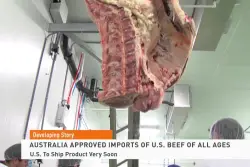
The Trump administration announces trade breakthroughs giving U.S. beef producers greater access to Australia, Japan and South Korea.

After months of negotiations, the two countries struck a deal to lower the so-called “reciprocal tariffs” from a proposed 25% to 15%, and said increased rice shipments from the U.S. to Japan are part of the deal.

The thought in some ag circles is that the One Big Beautiful Bill is a farm bill prototype or laying the groundwork for its development. Farmers and Sen. John Boozman weigh in with their perspectives.

On a more hopeful note, some industry analysts believe the number has reached its peak and will start to move down this summer. Certainly, some trade deals that would open markets for U.S. ag products would help.

Sen. Chuck Grassley (R-IA) says one of the challenges the U.S. is dealing with is trying to negotiate agreements with 18 of its biggest trading partners simultaneously. Grassley would like to see a dialed-back strategy used instead.

This is biggest investment ADM regional manager Travis Sayers has seen ADM make in St. Louis.

A federal court ruled Wednesday that an emergency law does not provide President Trump with unilateral authority to impose tariffs on nearly every country. The interruption was short-lived after a federal appeals court granted the Trump administration’s request to temporarily pause a lower-court ruling.