
Wheat

The new T6 800 walker combine offers factory integrated precision ag technology, a quieter, more spacious cab, and an increased unloading rate with improved efficiency, according to John Deere.

The House Farm, Food, and National Security Act of 2024 introduces significant changes to reference prices, specialty crops, and trade promotion, while also addressing foreign farmland ownership.

Chicago wheat futures rose on Thursday as Russia declared a state of emergency in key grain-growing regions due to frosts, while corn and soybeans also edged up.

After years of letting negativity and discouragement hold him back from full-time farming, the first-generation Kentucky farmer decided to take a leap of faith.

In addition to traditional row crops and cattle, Lindsay Baneck operates a direct-to-consumer produce business in Wisconsin. These days, her goals are geared toward success and sustainability.
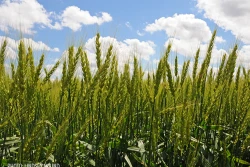
Tolvera recently received registration by the EPA for use on spring and winter wheat, durum and barley.

Two new studies from Locus Ag and Pivot Bio found the use of biological products consistently increased yields in a variety of crops across a range of growing conditions.

Midwestern farmer Marcia Ruff, 2023 Top Producer Women In Ag Award winner, splits her time between the classroom and the family farm — setting an example for others to lead from where they are.

With larger-than-expected yield revisions to both corn and soybeans, it leaves one burning question: which states grew such big yields in 2023? USDA NASS released maps and charts to help answer that.

Are You Ready For the Polar Plunge? Some Areas Could See Temperatures Plummet to Negative 40 Degrees
From 40 degrees above zero earlier this week in parts of the Great Plains to now forecasts for temps to fall 40 degrees below zero, ag meteorologist Drew Lerner says the frigid conditions will be dangerous for livestock.