
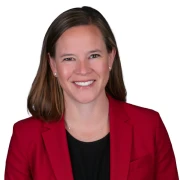

One year ago, farmer Brian Mohrfield opened Point 95, a restaurant in West Point, Iowa. The investment wasn’t just about commerce. It was about keeping his town alive. The story begins in his fields.
In 2022, Mohrfield adopted regenerative agriculture practices through Holganix, a soil health company. He stopped deep ripping his fields and cut fertilizer use by 50%. The results were dramatic: each year from 2022 through 2025 set new personal yield records. Combined with reduced labor and fuel costs, Mohrfield saved $200,000 on fertilizer alone while improving disease resistance.
“Here in ’26 and I have by far the best looking fields in a 20 mile radius,” he says.
The financial gains funded his restaurant investment. But Mohrfield’s reasoning reveals deeper thinking: If his town isn’t vibrant, how can his farm truly prosper? As a fourth-generation farmer, he understood that rural communities are interconnected ecosystems.

The Holganix Model: Partnership Over Transactions
Holganix founder Barrett Ersek sees farmers as entrepreneurs taking calculated risks. “Our mission is to celebrate the farmer...and be their long-term partner in creating a flywheel,” Ersek explains. Rather than simply selling microbial products, Holganix shifted to a partnership approach centered on soil health and data.
The company conducts extensive soil testing with 26 measurements, helping farmers understand soil biology while quantifying carbon sequestration assets they can monetize. This data-driven approach removes guesswork from risk-taking.
On Mohrfield’s farm, organic matter increased from 2% to 4.5% in five years—each percentage point holding 20,000 additional gallons of water per acre, critical for climate resilience.
Trust and Small Steps
Mohrfield describes the moment trust crystallized: when Holganix technicians stopped him from applying additional nitrogen at sidedress, saying his soil could support a 250-bushel corn crop without it. “Having a trusted partner like that was huge,” he says.
Holganix’s “Grow Possible” program formalizes this approach—a three-year commitment where farmers test regenerative practices on small acreages first, building confidence through proven results rather than blind faith.
The results speak: Holganix maintains customer retention rates above 90% and significant referral growth, with acreage and revenue doubling annually over four years.

The Broader Lesson
Ersek’s final message resonates beyond Iowa: “The agricultural landscape is changing. Fertilizer prices, weather volatility, equipment costs—everything is shifting against farmers who cling to old methods,” he says. The question isn’t whether to change, but when to start.
Mohrfield’s story demonstrates that regenerative agriculture isn’t ideology—it’s pragmatism. Better soil health, lower costs, higher yields, stronger communities. When farmers win, their towns win. When towns thrive, farming futures secure themselves. For this fourth-generation farmer, regenerative practices aren’t just sustaining the business—they’re securing it for his fifth-generation son who is now working on the farm.



