

On race day at the Indianapolis Motor Speedway, the noise is so loud you can feel it in your chest. Cars fly by at more than 200 miles per hour. More than 300,000 fans pack the grandstands and infield, while millions more watch from home.
And when the checkered flag falls, victory lane comes into focus as the winner reaches for a cold bottle of milk.
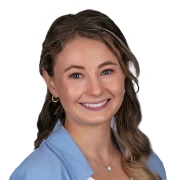
This year, the person handing that iconic bottle of milk to the winning driver is Indiana dairy farmer Ashley Stockwell of Stockwell Farms in Hudson, Indiana. For her, it is more than a famous sports tradition. It is an opportunity to put dairy farming, and especially women in agriculture, in front of one of the largest audiences in the world.
“To be able to be the farmer representing nearly 700 Indiana dairy farm families is really humbling,” Stockwell says. “But to be a female representing that this year means a lot to me, especially to my family and to our family’s dairy farm.”
A 90-Year Tradition

The milk tradition at the Indy 500 dates back to 1936, when a three-time winner and farm-raised racer requested a bottle of milk to drink after his victory, a moment that would go on to shape one of the event’s most recognizable celebrations.
“There was a driver by the name of Louis Meyer who won his third race, the first three-peater in Indy 500 history,” explains Brooke Williams, director of communications for American Dairy Association Indiana. “And when he won, he requested buttermilk to drink. It was a very natural beverage for him to request after racing in the heat.”
This year marks the 90th anniversary of milk being part of the victory celebration. Williams says the scale of the Indy 500 makes the moment even bigger. Last year, about 8.5 million people were watching at the peak of the broadcast to see who would drink the milk in victory lane. At the track, roughly 300,000 fans filled the stands, with thousands more gathered in the infield and snake pit.
“One in every 1,000 people in the U.S. tune in to watch the Indy 500 on Memorial weekend,” Williams says. “That tells you why this is such a big opportunity for dairy farmers.”
Putting Dairy Farmers Front and Center

In the early years of the Indy 500, a race employee simply handed the bottle of milk to the winning driver. That changed in the early 2000s when the organization created the dairy farmer duo program. Each year, one rookie and one veteran Indiana dairy farmer are selected by fellow farmers to represent the industry at the race.
“Over time, that has become such a huge part of the race,” says Jenni Browning, CEO of American Dairy Association Indiana. “Part of what makes the Indy 500 so special is that they hold these traditions very close. They love the milk, and they love the dairy farmer.”
Today, race fans stop dairy farmers throughout the day to ask for photos, talk about life on the farm and even request autographs, turning the event into a hands-on opportunity for connection between consumers and the people producing their food.
“[The farmers] really elevate agriculture and, when needed, they also come to agriculture’s defense,” Browning says. “We’ve really changed the conversation from just the drink of milk to dairy farming.”
Meet Ashley Stockwell

Stockwell came to dairy farming from an unexpected path. Raised in a row crop farming family, she later joined her husband’s third-generation dairy operation through marriage and learned the dairy side of agriculture firsthand.
“I grew up as a fifth-generation row crop farmer,” she says. “It wasn’t until 17 years ago that I entered into the third-generation dairy farm when I married my husband.”
Today, she helps manage the farm while raising her children in the same environment.
“Cows don’t take a day off,” she says. “It’s 24/7 for us. Just being able to show [my children] what it means to grow up on a farm, the work ethic, and seeing how much they embrace the life that we’ve grown to love is something that I’m passionate about.”
Stockwell had always known about the race and its famous post-race celebration, but it wasn’t until about a decade ago that she realized the person stepping into victory lane with the bottle was not just a presenter, but an Indiana dairy farmer representing the industry.
“I’d always known that winners drank milk,” she says. “But I didn’t fully understood that it was an Indiana dairy farmer who presented the milk. Once I learned more about it, I thought, ‘How could I do this someday?’”
When applications opened, she hesitated. The program is open only to Indiana dairy farmers, and the selection is highly competitive, with only on producer chosen to represent the industry on one of its biggest public stages. Despite her nervousness, Stockwell’s husband pushed her to apply.
“My husband’s the one who actually encouraged me to go do it,” she says. “He thought it would be so cool for me to represent our farm, for our kids to watch, and for me to be a role model for them.”
When she received the call that she had been selected as the rookie milk presenter, she could hardly believe it.
“When I got the phone call, I actually laughed,” she says. “I was like, ‘You really picked me?’ I thought it would be such a great opportunity to represent.”
More Than a One-Day Role

The milk presenter position is much more than showing up on race day, according to Browning. It’s a commitment that includes serving as rookie-elect, rookie and veteran, giving farmers the chance to grow into the role while representing dairy producers through media interviews, public events and appearances tied to the Indy 500 tradition.
“This is almost a three-year position,” Browning explains. “Over those three years, Ashley has grown in communications, the people she’s met and the experiences her family has had.”
On race day, the schedule starts early. After the traditional sunrise cannon blast echoes across the Speedway grounds, Ashley arrives around 7 a.m. and quickly jumps into a packed morning of interviews and appearances before the race even begins.
“We start doing media interviews in the seven o’clock hour, and we’re doing media until right before 11 o’clock,” Williams says. “Ashley is covering a lot of ground between the racetrack, Gasoline Alley, national TV and local news.”
After the interviews, the dairy team joins pre-race ceremonies, walks alongside the cars, stands on the track for the national anthem and then watches the race until it is time to head toward victory lane.
The Milk Behind the Moment
Behind the few seconds shown on television is a carefully planned process that starts long before the checkered flag waves. With about 25 laps remaining, the milk team moves into position with the cooler everyone has been waiting for. The milk is processed at a local plant and prepared the night before the race, with drivers selecting their preferred type ahead of time.
“We have fat-free, 2%, and whole milk all selected,” Ashley says. “I believe there’s also a lactose-free option. We want to make sure they’re still getting a high-quality dairy product.”
Last year’s winner, Alex Palou, even requested a small bottle for his daughter, creating one of Stockwell’s favorite memories from the experience.
“We were able to actually give his daughter a small bottle of milk as well,” Stockwell says. “Watching him drink milk, then his daughter drinking milk, and then passing it to his wife, it was really special to witness.”
Throughout the day, the milk stays ice-cold and closely guarded as Ashley and the other presenters move around the Speedway. But the cooler quickly becomes an attraction of its own, with fans stopping constantly to ask questions and snap photos.
“It’s stored ice-cold in a cooler with us,” Stockwell says. “We keep pretty tight security on it until the final laps of the race.”
Connecting Racing and Dairy Farming

One of Stockwell’s favorite parts of the experience is helping racing fans connect what happens on the track to what happens back on the farm. She often compares an Indy car pit crew to the team it takes to care for a dairy herd each day.
“The Indy 500 drivers have a pit crew for their team, just as we do on our farm,” she says.
She explains that veterinarians help keep cows healthy, hoof trimmers handle regular pedicures, and nutritionists build balanced rations. Those comparisons help consumers better understand the people and planning behind modern dairy farming.
“I think it’s about creating comparisons people understand,” she says. “We’re no different than anybody else. We just happen to milk cows for a living.”
Those conversations happen throughout race day as fans stop to meet a real dairy farmer, ask questions and hear more about agriculture from someone living it every day.
“People are so excited about the milk, and they’re just so happy to have met a dairy farmer,” Stockwell says.
The attention surprised her the first year she attended as a presenter.
“I didn’t expect to feel like a famous person walking around,” she laughs. “It was humbling and exciting all at once, and honestly a little overwhelming.”
The Year of the Female Farmer
This year’s race carries extra meaning with it being the Year of the Female Farmer. Ashley says women have always played important roles on the farm, but more are now stepping forward to publicly share their stories and experiences in agriculture.
“People say there are more and more women in agriculture now, and maybe that’s true,” she says. “But I also think there are more women telling their story, women who have always been part of the farm and are now recognized as farmers, not just the farm wife.”
Stockwell says she is also seeing more women take on leadership positions throughout the dairy industry, from local organizations to national boards.
“I sit on several national boards within dairy, and there are more and more female farmers in those meetings,” she says. “My goal is to be a voice for others and encourage women to tell their story too.”
More Than a Bottle of Milk
For Browning, who has worked alongside dairy farmers for 17 years, the moment in victory lane still carries emotion every year because it represents more than just the end of a race. It brings together the excitement of the Indy 500 with the farm families behind one of its most recognizable traditions.
“This is my favorite part of the job,” she says.
She describes the scene as emotional, with hundreds of thousands of fans surrounding victory lane while the dairy farmer steps into the center of one of racing’s biggest moments.
“Being in a place with 350,000 people is emotional,” she says. “The dairy farmer in that moment is the center of everything.”
Over the years, Browning believes the meaning behind the milk has grown beyond a post-race celebration and into a symbol tied to achievement, tradition and agriculture itself.

“The milk represents human achievement and celebration,” Browning adds. “We’ve changed the way people look at milk.”
The tradition has become about more than what happens in victory lane. It is a chance to connect millions of racing fans back to the farm families producing the milk. This year, when the cameras turn toward the winning driver, they will also capture Ashley Stockwell standing nearby with a cooler full of ice-cold milk and a story that represents dairy farming on one of racing’s biggest stages.



