
Fertilizer

Dave Chatterton with Strategic Farm Marketing says the grain markets were supported by money flow and funds were buying adding risk premium tied to war, inflation fears with soaring energy prices and weather.

Grains were higher Wednesday with new contract highs in hard red winter wheat and December corn according to Mark Knight with Farmer’s Keeper Financial. Live cattle were also making new highs on record cash.

Former NFL player Cody White applies his athletic experience on the field to rising input costs and market volatility in DeWitt County, Illinois.

Randy Martinson with Martinson Ag says the wheat market is adding risk premium tied to weather and global production and geopolitical concerns and could continue to pull corn higher.

With one survey showing 48% of Midwest corn and soybean growers are unable to afford traditional fertilizer sources, Extension and industry are responding with nutrient options that can lend support.

Ag Secretary Brooke Rollins says a multi-agency Trump administration effort will target fertilizer costs and boost U.S. production, with a major announcement expected yet this week.

Two Midwest growers say increased competition between corn and soybeans for acres could help rebalance supplies and provide a financial boost.

A Farmer’s Keeper survey of 4,000 farmers shows 20% are cutting corn acres as record fertilizer prices and supply gaps force last-minute shifts toward soybeans and other crops to protect profitability.
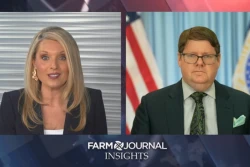
In a candid conversation with Farm Journal, USDA Deputy Secretary Stephen Vaden says USDA’s message to fertilizer companies is simple: “Be part of the solution, don’t be part of the problem.”

Temple Rhodes explains how moving away from front-loaded fertilizer use to what he calls a “layered, systematic approach” — using nitrogen, phosphorus and biologicals — is helping him build corn yields despite increased regulatory demands.