
Crop Production

There are at least 30 fungicides labeled for suppression or control of tar spot in corn with a FIFRA 2(ee) recommendation.

Ferticell™ products are different from conventional in form and function. They are absorbed, have higher bioavailability, and are working within three hours of application.

Be diligent to keep pesky and invasive weeds out of your field boundaries. Otherwise, those weeds can produce seed and drift to additional acres in future years.

Each season, more Southern growers are getting more effective, flexible weed control by making the switch to the Enlist® weed control system.

Each season, more farmers are discovering the effective, flexible weed control that comes with making the switch to the Enlist® weed control system.

So far, 12 states out of the 18 total reporting acres of corn planted are ahead of the five year average.

NEW YORK, April 19 (Reuters) - The EPA will temporarily expand sales of higher-ethanol blends of gasoline this summer.

Residue might hamper uptake, surface cover slows soil warming and most cover crops raise the carbon penalty. Farm Journal Field Agronomist Ken Ferrie shares timing and placement tips for phosphorus, sulfur and nitrogen.

Without careful planning and placement of these structures, farmers risk losing the option for aerial spraying.

There’s now a 60% chance La Niña will develop between June and August and an 85% chance it’s in effect by November 2024 to January 2025, according to NOAA.

After years of letting negativity and discouragement hold him back from full-time farming, the first-generation Kentucky farmer decided to take a leap of faith.

Shipping may have been easier back in the days of Columbus

Lance Honig, acting director of the NASS methodology division, says budget constraints led to the agency’s decision. The County Estimates data was used over the years, in part, to determine federal farm program payments.

While farmers find the technology useful, especially for spot spraying and targeting fields in less-than-ideal conditions, weed scientists are buzzing with more caution.

As drone use in agriculture climbs the FBI and CISA are warning about data theft from Chinese-manufactured drones. The ag industry is on the lookout but U.S.-made drone options are limited.

Once a niche tool used by agronomists and consultants, farmers are starting to take notice of drones and consider the technology more often. Here’s the latest on swarms, service providers and security concerns.

Consider these tips to ensure you’re complying with federal regulations when it comes to pesticide disposal.

Bryce Driver died a day before Easter, leaving behind a wife, a pair of seven-week-old babies, and a crop in the field.
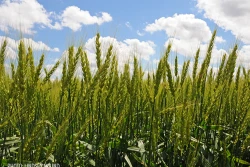
Tolvera recently received registration by the EPA for use on spring and winter wheat, durum and barley.

BASF’s new website, SCNFields.com, is dedicated to helping growers manage risk against Soybean Cyst Nematode.
Ferticell celebrated its 20th anniversary on April 1, 2024. During those 20 years we have grown significantly from the one product, Universal, to over 18.

Weed resistance is among the top challenges facing modern farmers. Resistant weed varieties continually spread to different geographies, as researchers continue discovering new cases of resistance.

If you’ve ever dealt with herbicide drift, you know how damaging the outcomes can be.

Nitrogen fertilizer is essential to growing high-yielding corn. But with 12 million tons of nitrogen fertilizer applied to crops each year, it’s critical to keep that nitrogen where it’s applied.

Based on fieldwork he’s done so far, the farmer asks, “Am I drying out the soil early in what looks to be a dry year? Or, am I making the soil more fit so roots can go down as they should?”

U.S. employers report challenges in finding suitable job candidates with work-ready skills to fill open roles in ag. The AgCareers.com U.S. Skills Survey offers insights, data and trends to address skill development.

Mike Steenhoek, executive director at the Soy Transportation Coalition, shares what the collapse could mean for the supply chain.

There are a number of practices that can create passive income on your operation, but the level of effort and investment to implement them varies.

Quickshot is Helena’s newest entrant in the field, which provides seed fluency in addition to crop nutrient package. For 2024, it’s available in limited quantities.

After launching an initial “frontrunner” a group in Illinois, Bayer says its Crop Science division is ready to roll out the company’s new operating model, Dynamic Shared Ownership (as it’s known internally, DSO).