
Crops


After years of letting negativity and discouragement hold him back from full-time farming, the first-generation Kentucky farmer decided to take a leap of faith.

More than 20 farm groups support the new Federal Agriculture Risk Management Enhancement and Resilience Act. The bill does not require choosing between enhanced crop insurance coverage and commodity support programs.

USDA reports 3% of the country’s soybean crop is in the ground, the same as this time last year but two points ahead of the average pace. In all 10 states are reporting progress, and planting is ahead of average.

The U.S. Drought Monitor shows drought coverage is now at its lowest level since spring of 2020, but USDA’s topsoil moisture map shows it’s still extremely dry in areas of the west and too wet in the east.

Shipping may have been easier back in the days of Columbus

It’s a tale of two extremes this year. Some farmers report they can’t find soil moisture to plant into, while others are struggling just to get into their fields. Agronomist Ken Ferrie weighs in on both scenarios.
Along with too much moisture, high numbers of corn flea beetles are posing an early-season concern. Ferrie advises checking your Stewart’s wilt bacteria rating on hybrids. There’s no treatment option for infected corn.

Two consecutive years of drought has been devastating for farmers in West Texas, and with forecasts of a transition to La Niña, economists and cotton leaders say it will force even more cotton farmers to call it quits.

One of the biggest benefits from waiting to plant corn until conditions are ideal, is the crop emerges more uniformly and forms those picket-fence stands that deliver huge yields, says Agronomist Missy Bauer.

Lance Honig, acting director of the NASS methodology division, says budget constraints led to the agency’s decision. The County Estimates data was used over the years, in part, to determine federal farm program payments.

USDA’s April WASDE report showed larger wheat and soybean ending stocks, but smaller ending stocks for corn. More surprising, still, was the lack of changes to South America’s crop estimates.

While farmers find the technology useful, especially for spot spraying and targeting fields in less-than-ideal conditions, weed scientists are buzzing with more caution.

As drone use in agriculture climbs the FBI and CISA are warning about data theft from Chinese-manufactured drones. The ag industry is on the lookout but U.S.-made drone options are limited.

Once a niche tool used by agronomists and consultants, farmers are starting to take notice of drones and consider the technology more often. Here’s the latest on swarms, service providers and security concerns.

What’s the key to growing big yields? According to the reigning national corn yield contest champ, David Hula, you can’t have 300-bushel-per-acre yields if you don’t start with 300-bushel-per-acre stands.

The second USDA Crop Progress Report of the year shows farmers are already ahead in planting the 2024 crop with six states pacing ahead of the five-year average.

While the expectation is for cotton acres to increase in the June acreage report, another key question is if cotton demand can continue to find footing and support higher prices.

Consider these tips to ensure you’re complying with federal regulations when it comes to pesticide disposal.

Bryce Driver died a day before Easter, leaving behind a wife, a pair of seven-week-old babies, and a crop in the field.
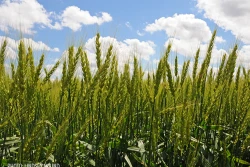
Tolvera recently received registration by the EPA for use on spring and winter wheat, durum and barley.

BASF’s new website, SCNFields.com, is dedicated to helping growers manage risk against Soybean Cyst Nematode.

Ferticell celebrated its 20th anniversary on April 1, 2024. During those 20 years we have grown significantly from the one product, Universal, to over 18.
As most of the U.S. is still prepping for spring planting, USDA’s weekly crop progress report shares Texas growers have already planted more than half their corn acres.
Some Illinois farmers started planting soybeans in late March. Ken Ferrie offers tips to help you weigh the risks of planting now. Plus, be aware that poor saturated cold scores are impacting some seed corn hybrids.

Judge for yourself: Travis McCormick’s DOES IT PAY fungicide trial reaped a major yield increase.

Weed resistance is among the top challenges facing modern farmers. Resistant weed varieties continually spread to different geographies, as researchers continue discovering new cases of resistance.

If you’ve ever dealt with herbicide drift, you know how damaging the outcomes can be.

Nitrogen fertilizer is essential to growing high-yielding corn. But with 12 million tons of nitrogen fertilizer applied to crops each year, it’s critical to keep that nitrogen where it’s applied.

USDA says farmers intend to plant 90 million acres of corn this year, which is lower than the trade expected prior to USDA’s big Prospective Plantings report.